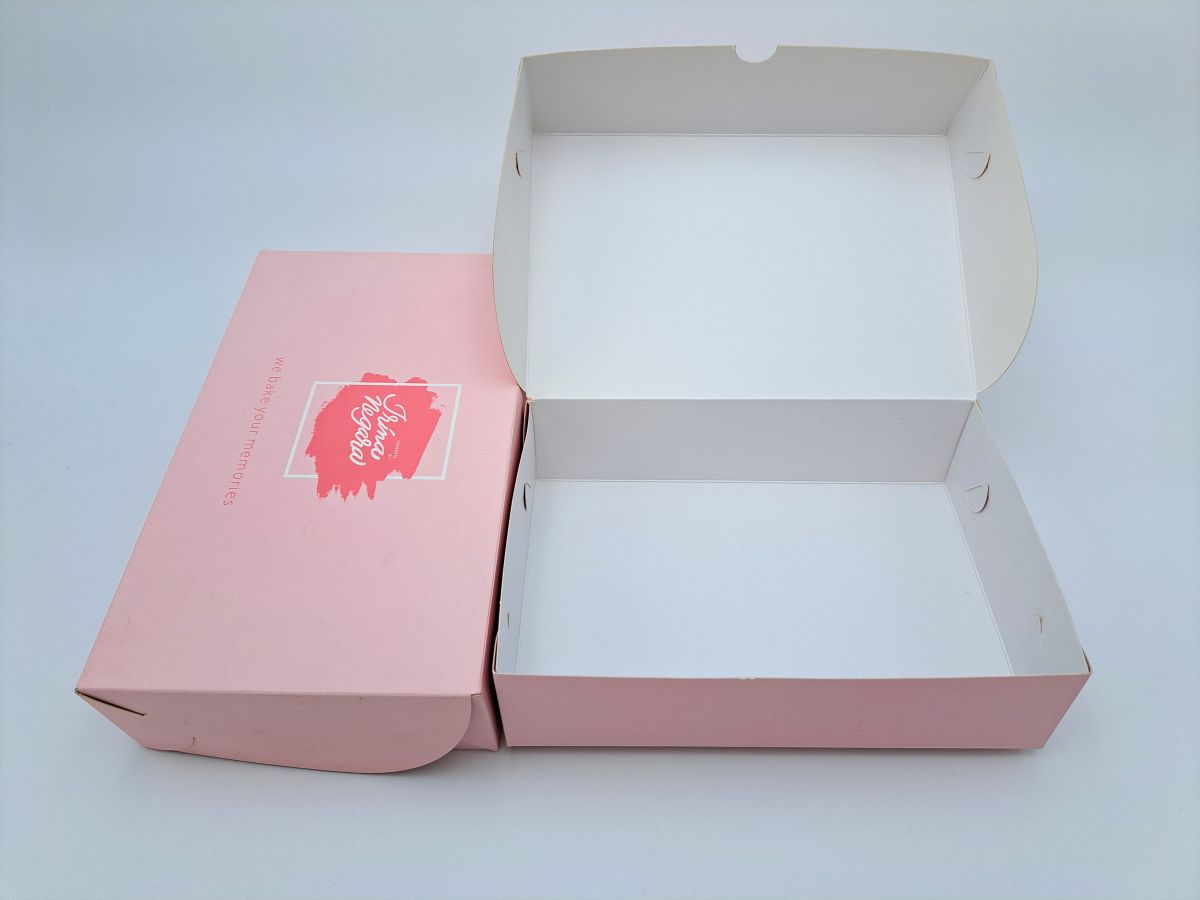
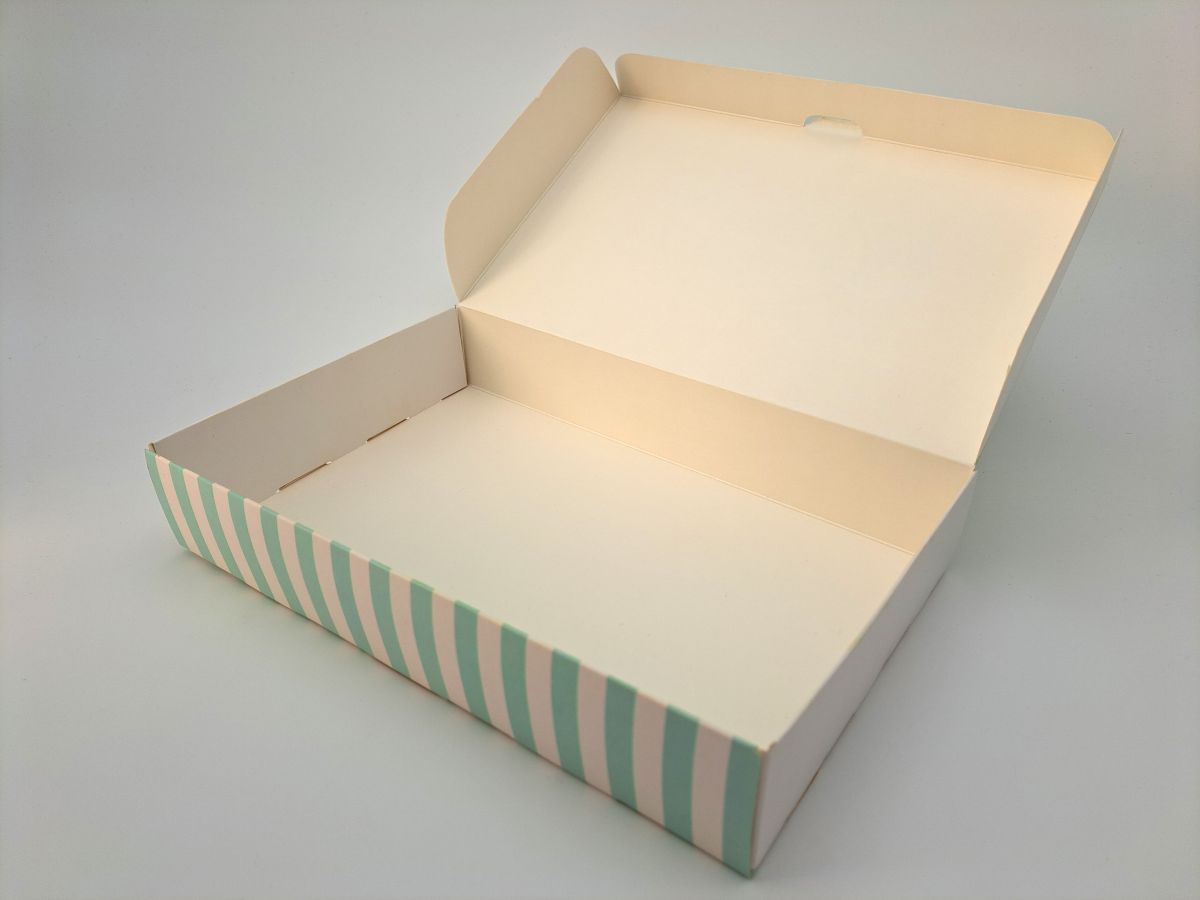
Custom packaging for food and beverages has gained popularity as a means to stand out among competitors, allowing you to create a visually striking and unforgettable encounter for consumers.
TAKEAWAY AND DELIVERY


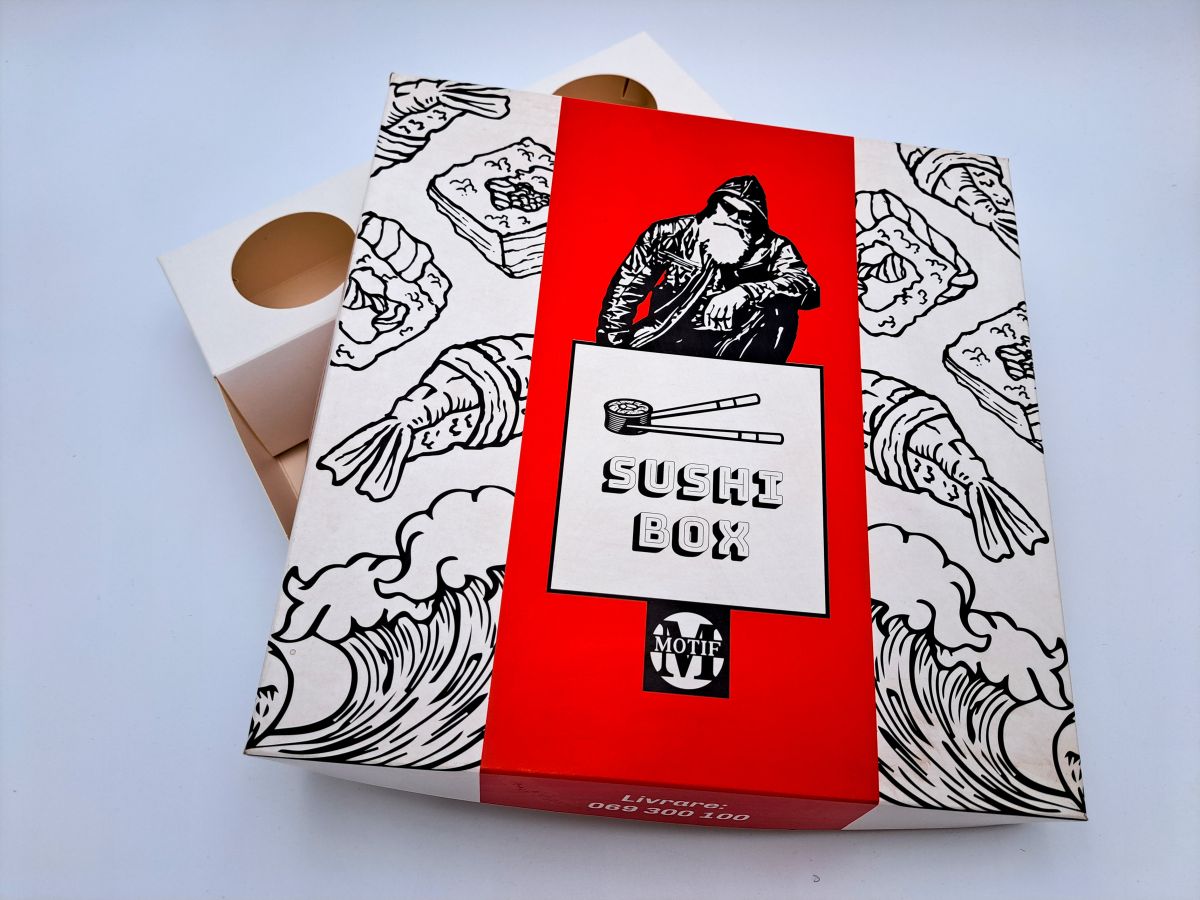
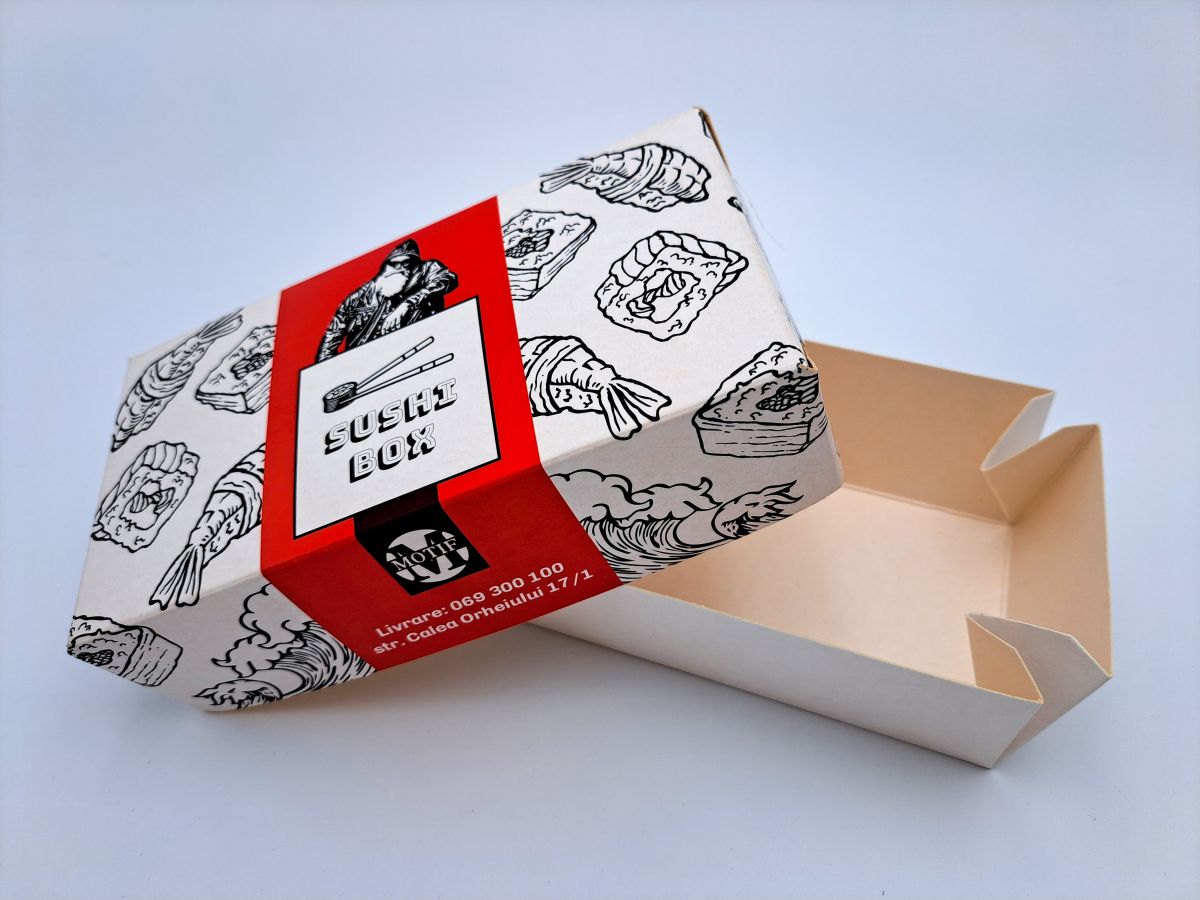
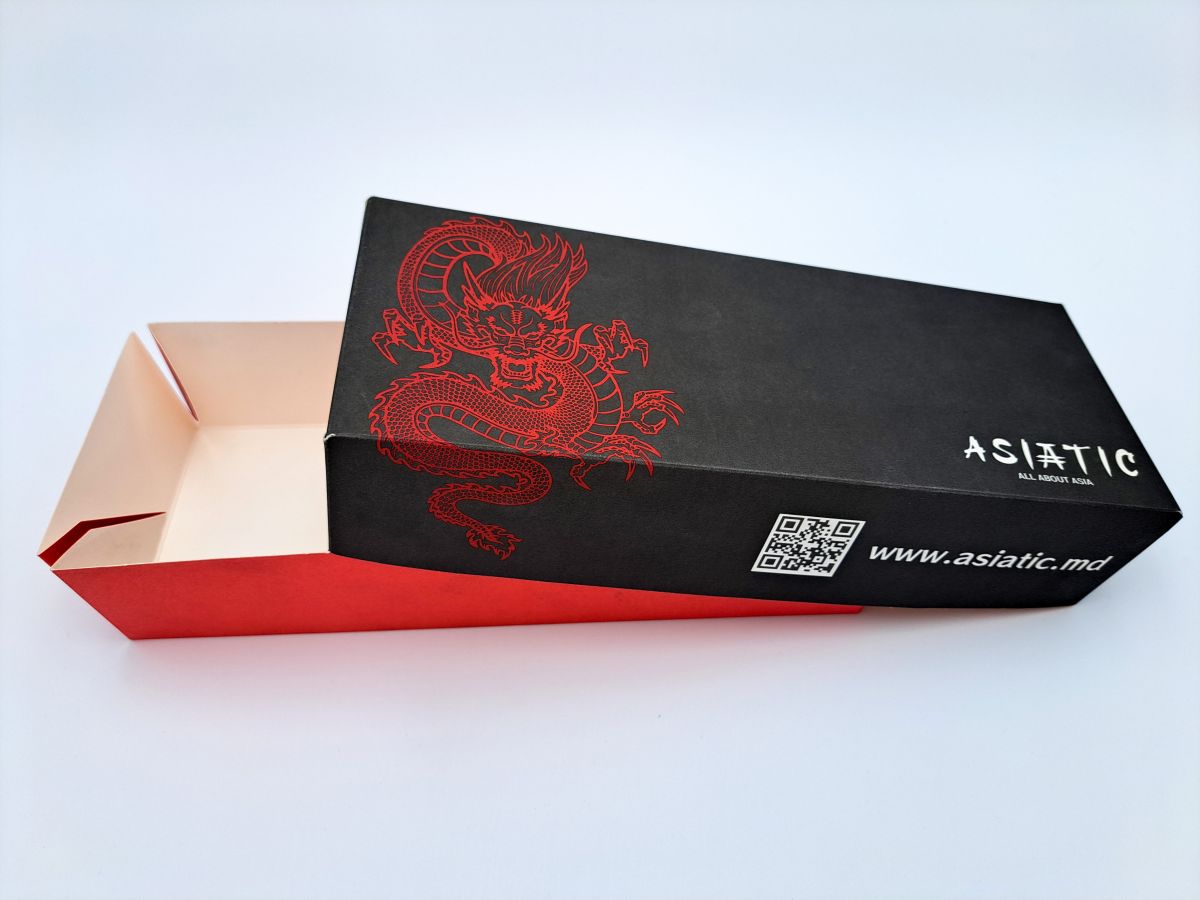
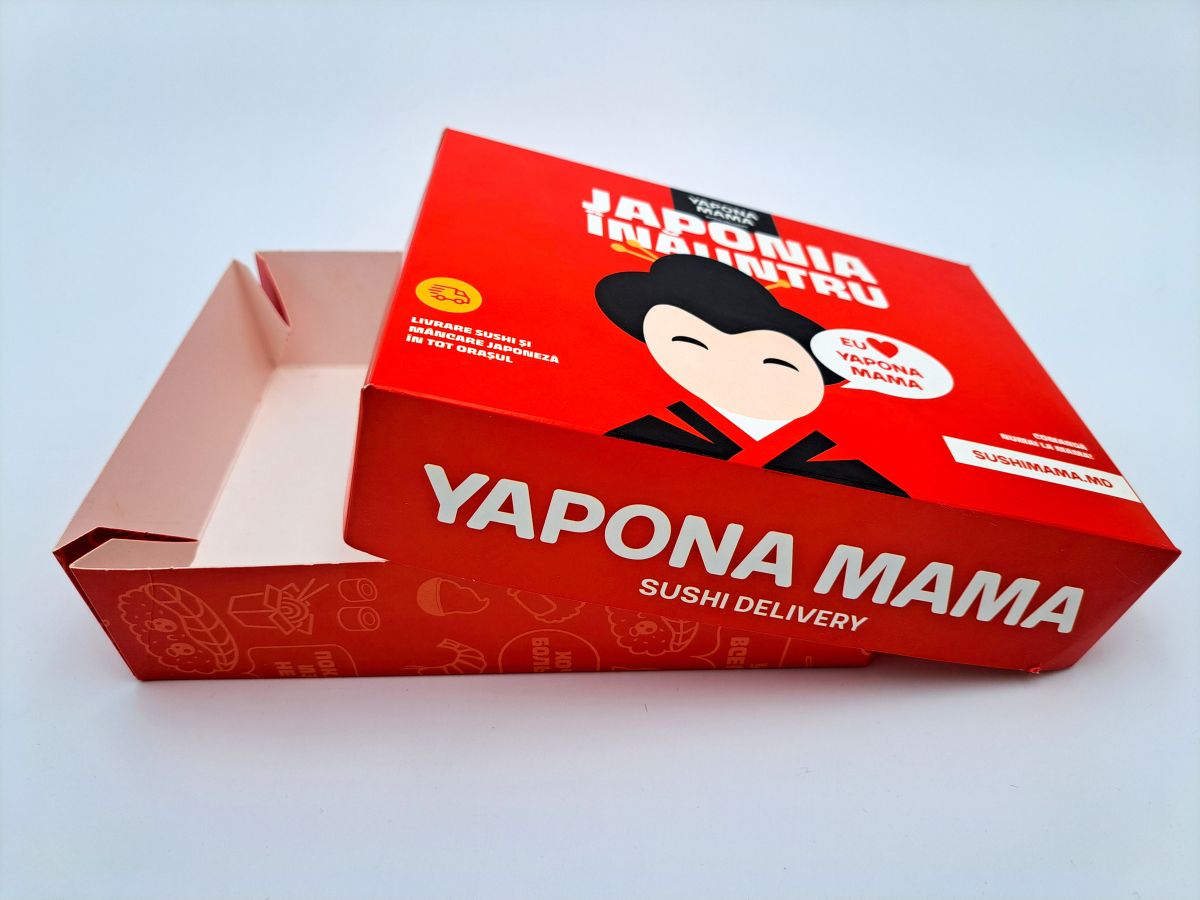

When it comes to customizing packaging for the food and beverage industry, there are specific regulations and guidelines that must be adhered to in order to ensure safety and compliance. It is crucial to display accurate and clearly visible labeling and nutritional information to meet industry standards and safeguard consumers. Moreover, any additional information mandated by law, such as allergen warnings and health claims, must also be included.
FOR CONFECTIONERY PRODUCTS

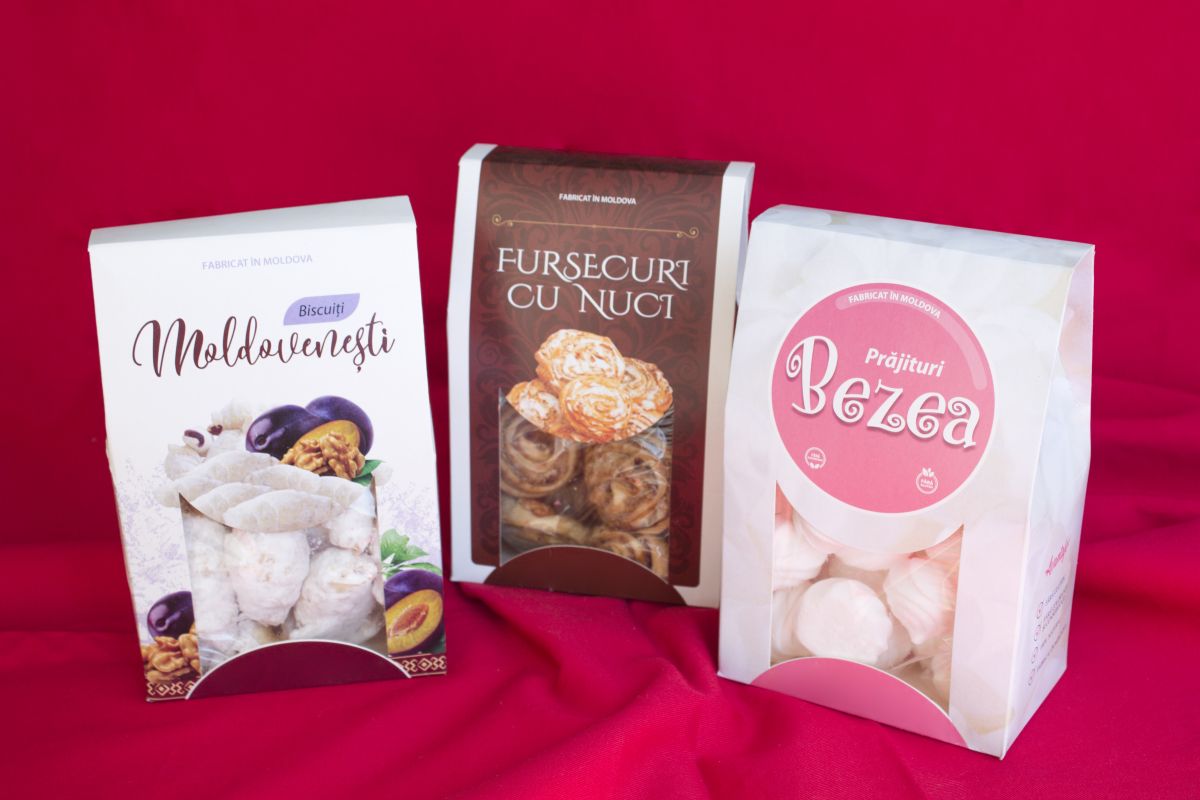

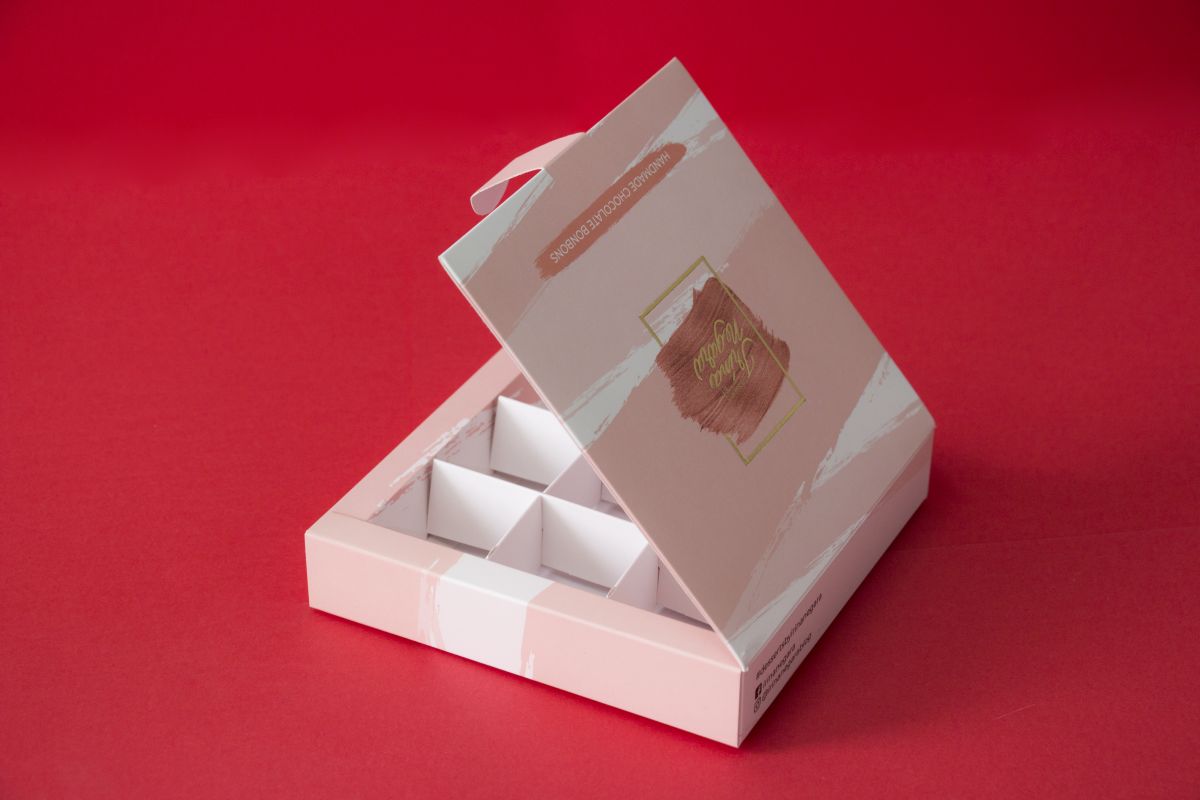
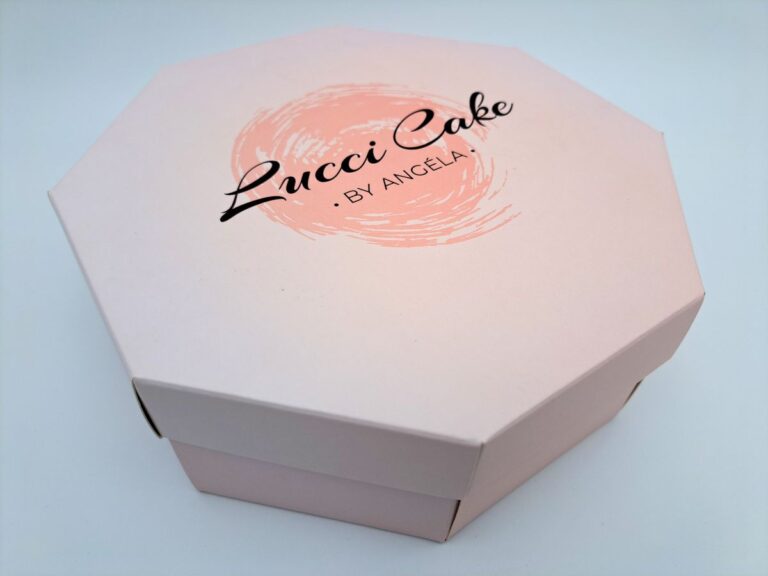
Custom food packaging refers to packaging specifically tailored for a particular food product. It encompasses customized shapes, sizes, colors, labels, and materials, all aimed at ensuring the safe and secure transportation and storage of the food item. Additionally, custom packaging helps the product stand out on store shelves, attracting attention and enhancing its visibility.
FROZEN FOOD
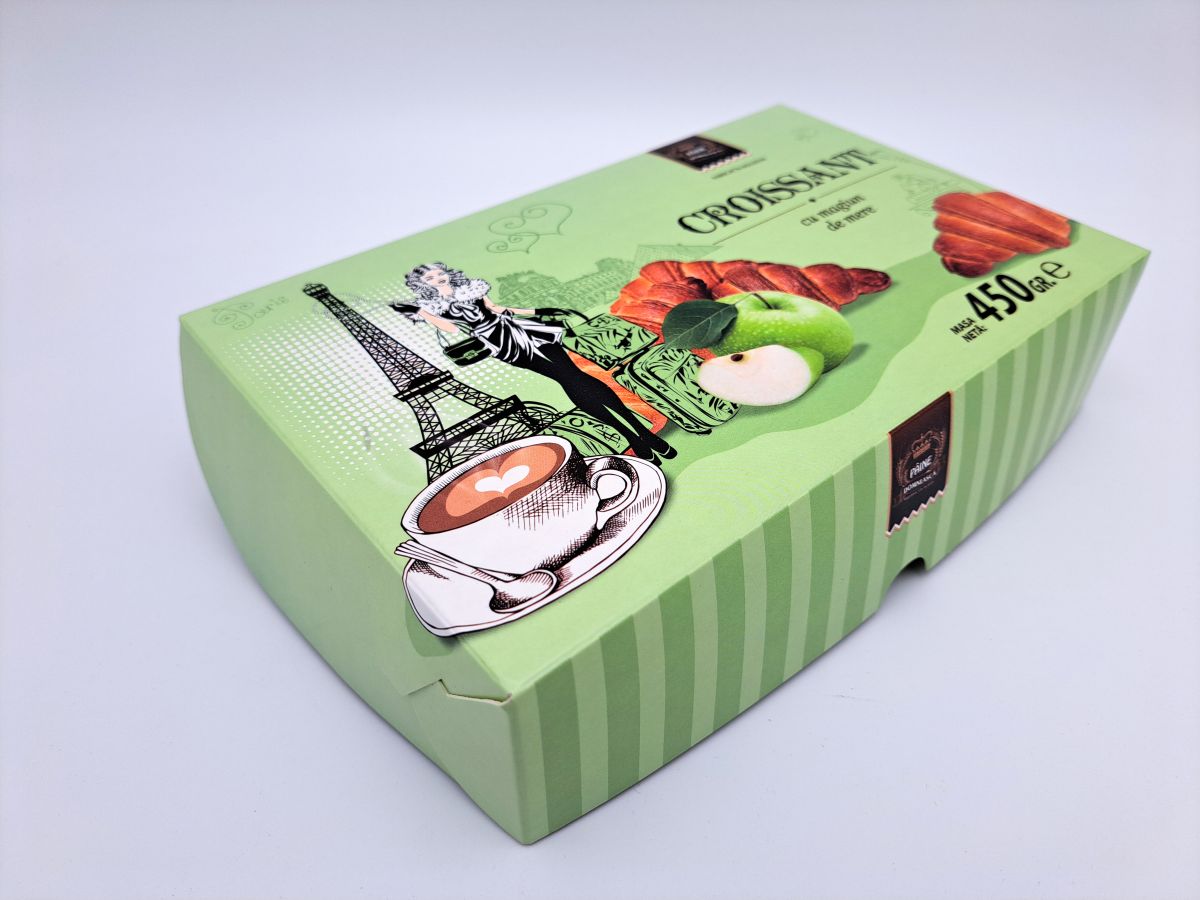

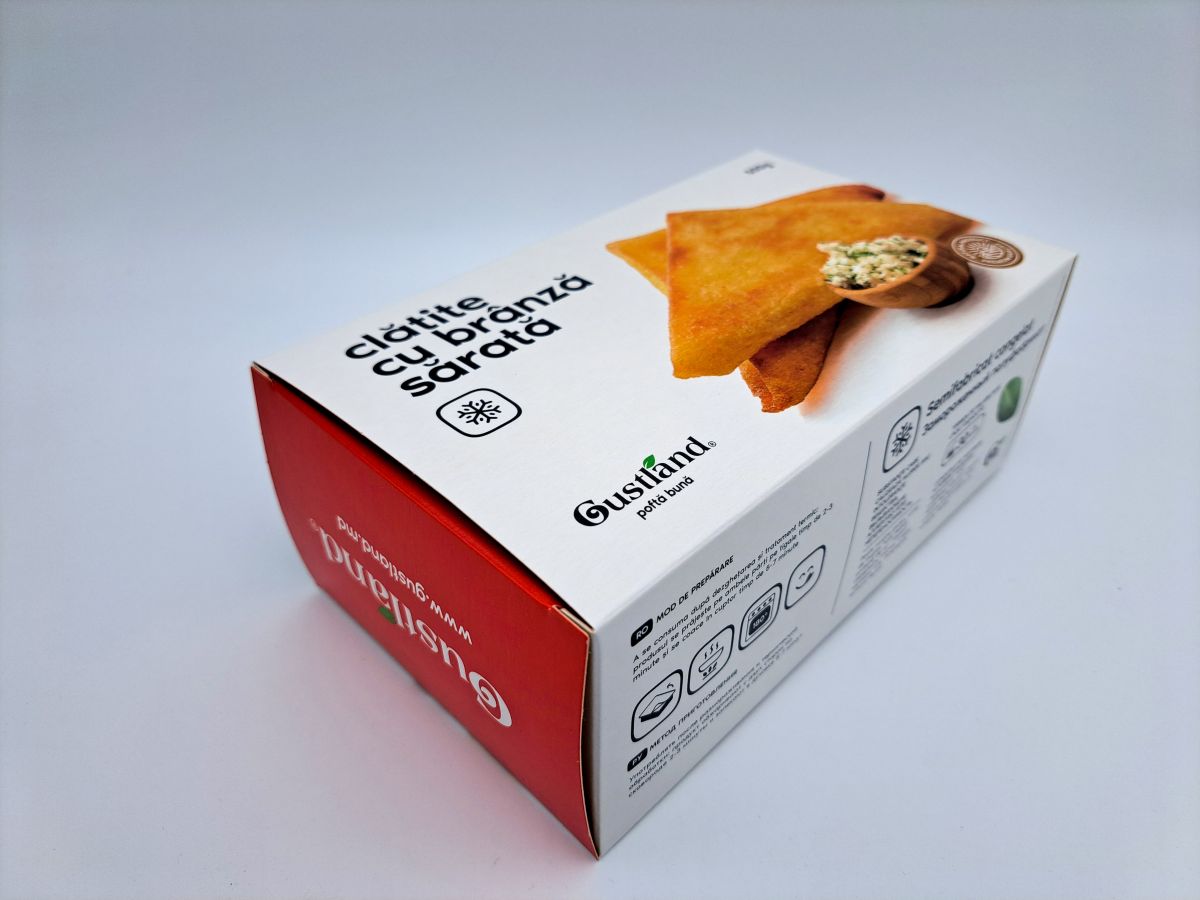

We have compiled a collection of tips on food packaging design, which you can find here. To summarize, here are the four essential factors to consider:
- Building brand identity: Packaging acts as the embodiment of a product’s character, forging a connection with consumers and inspiring them to make a purchase. To craft impactful packaging, companies should have a distinct vision for their brand identity, ensuring it aligns with their objectives and values.
- Enhancing shelf appeal: When developing a product package, it is vital to contemplate its visual appeal and structural design, taking into account both its allure on store shelves and its ability to safeguard the product and minimize shipping costs. Crucial inquiries to ask oneself include: “Does it possess the appropriate color, size, and shape?” and “How much shelf space is required?” among other pertinent considerations.
- Selection of packaging materials: When creating food packaging, it is crucial to contemplate factors such as sustainability, cost-effectiveness, and product protection. Presently, environmentally friendly and biodegradable packaging alternatives have gained significant popularity. By utilizing fewer resources and materials, production costs can be minimized, while simultaneously reducing the carbon footprint.
- Ensuring label compliance: To prevent overwhelming customers, it is important to avoid excessive wording on product labels. Key elements to consider when crafting labels encompass product benefits, consumer warnings, logos, nutrient content claims, barcodes, corporate information, and expiration or sell-by dates. It is also essential to include any necessary information mandated by regulatory bodies such as the FDA (or the relevant authority in your country).
CAKE BOX